

An on-grid solar system in Pakistan — also called a grid-tied solar system — is connected directly to the national electricity grid (WAPDA, K-Electric, LESCO, etc.). During the day, your solar panels generate power for your home or business. Any surplus electricity is exported back to the grid, earning you credits through the net metering system in Pakistan.
Unlike off-grid systems, you don’t need expensive battery banks. The grid itself acts as your “virtual battery,” meaning you have power 24/7 — daytime from solar, night-time from the grid — at a fraction of your current electricity costs.
Net metering is the game-changer that makes on-grid solar so powerful. Approved and regulated by NEPRA, the net metering system in Pakistan lets you export any surplus solar energy to the grid and receive a credit on your electricity bill — effectively making your electricity meter run backwards.
Whether you’re on K-Electric in Karachi, LESCO in Lahore, or any other DISCO across Pakistan, Green Solar Pakistan handles your entire net metering application, inspection, and bi-directional meter installation — end-to-end.


Karachi runs on K-Electric (KE), and the K-Electric net metering system has specific requirements and a distinct application process. Many customers get stuck at the documentation or inspection stage — but with Green Solar Pakistan, that’s never your problem.
As a K-Electric approved solar installer, we manage every step of your KE net metering approval from start to finish.
Are you looking for a way to reduce your electricity bills and contribute to a greener environment? If yes, then you may want to think about installing an on-grid solar system in Pakistan. An on-grid solar system, also known as a grid-feed solar system, is a type of solar system that connects to the main electricity grid. It allows you to use solar power along with grid power. What if you want to know what an on-grid solar system in Pakistan is? How it works, what are its benefits, and how much does it cost?
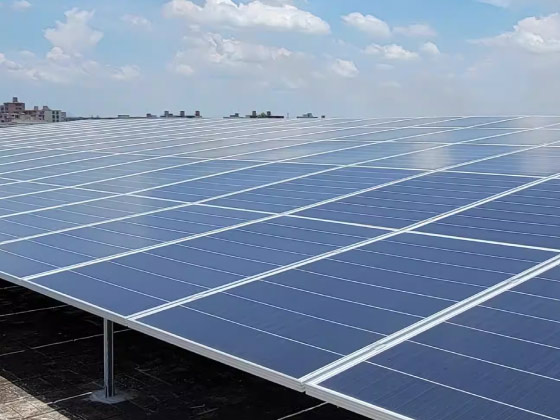
As the name suggests, a Grid Tie Solar System consists of two major components:
An on-grid solar system does not need any batteries or holdup generators because it depends on the grid for backup power. It happens when there is not enough sunlight or your energy consumption exceeds your solar production. However, this also means that an on-grid solar system will not work during a power cutdown because it needs a grid connection to work.
An On-Grid / Grid Tie Solar System In Pakistan operates through these steps:
The PV cells in panels produce DC electricity when they are exposed to daylight. The volume of electricity produced depends on factors such as weather conditions, panel orientation, shading, etc.
They transmit the DC electricity from the solar panels to the on-grid/grid-tie inverter through wires.
The grid-tie inverter changes the DC electricity into AC electricity that matches the power voltage and frequency of the main electricity grid.
Your home or business’s existing wiring and meter supply the AC electricity from the grid-tie inverter. You can use this electricity as you normally do with any other source of power.
Net metering is a system that allows you to sell your extra solar power back to the power supply company and get credit for it. It needs a special meter that can degree both the import and export of electricity. When your solar production exceeds your consumption, you export surplus power to the grid and get credit units against it.
When your consumption exceeds your production, you import power from the grid and pay for it at normal rates. At the end of each billing cycle, you only pay for your net consumption (import minus export) or get paid for your net generation (export minus import).
An on-grid solar system propositions many benefits such as:
Cost Savings: An on-grid/grid-tie/inverter reduces your dependence on expensive utility power and helps you save money on your monthly bills. Dependent on influences such as place, size of the system, tariff rates, net metering policy, etc., you can expect payback periods ranging from 3 years with on-grid solar system prices in Pakistan.
Eco-friendly Benefits: An on-grid inverter reduces your carbon footprint and greenhouse gas emissions by using clean and sustainable energy from the sun. It also helps cut air pollution, water pollution, and land filth resulting from fossil fuel-based power plants.
Reliability: An on-grid inverter provides a consistent power source during daytime hours when there is enough sunlight. It also removes the need for maintenance and replacement of batteries or generators.
Ease of Installation and Maintenance: An on-grid inverter needs less space, workings, and wiring than other types of power systems. It also does not need any special permits or approvals from authorities.
By installing Green solar panels, you can be saved from rising power tariffs. So, what are you thinking more? Get solar panels now.

Green Solar Pakistan is a leading solar energy company in Pakistan with over 10 years of experience in the industry. Our team of skilled professionals and engineers has delivered innovative solar solutions to our clients since our inception. We specialize in providing customized solar solutions for residential, commercial, and industrial sectors.


