
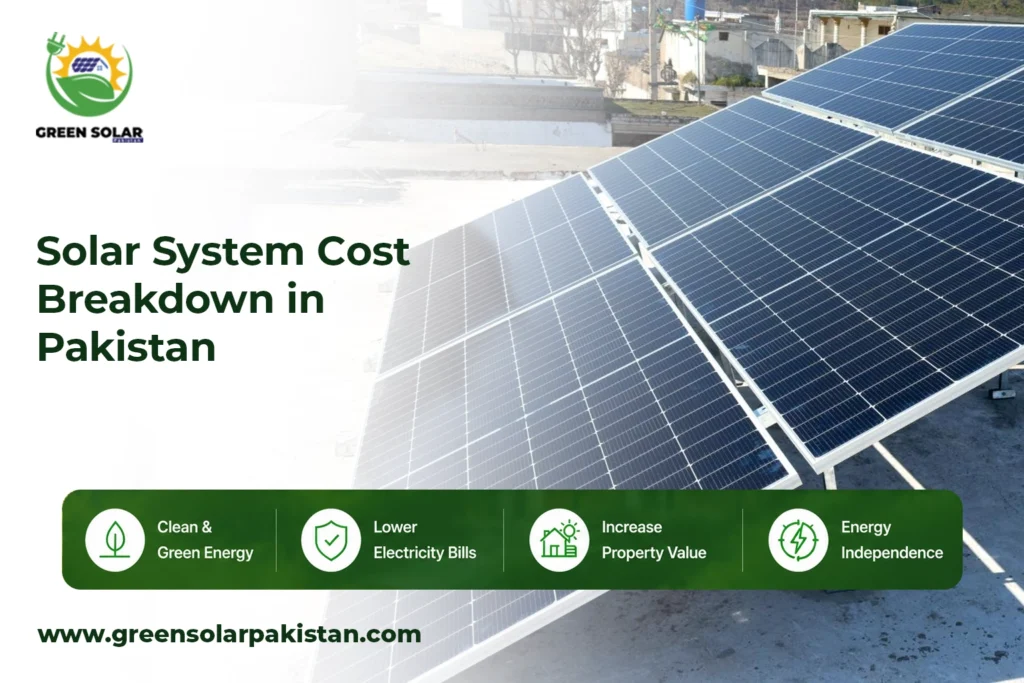
If you’ve gotten two or three quotes for solar system installation Karachi and they’re nowhere close to each other, you’re not imagining things, and you’re definitely not being scammed by default either. Solar pricing in Pakistan genuinely varies this much because a “5kW system” from one installer and a “5kW system” from another can mean completely different panel brands, inverter quality, and whether batteries are even included. This guide breaks down exactly what you’re paying for, what a fair price actually looks like in 2026, and how to read a quote without getting lost in vague numbers.
Why Solar Pricing in Pakistan Feels So Confusing
The core issue with solar system installation Karachi pricing, and Pakistan-wide pricing generally, is that a system size like “5kW” only tells you the inverter’s rated capacity. It says nothing about panel tier, battery chemistry, mounting structure quality, or whether net metering application costs are already folded into the number. Two installers can both hand you a quote for a 5kW system, and one could be several hundred thousand rupees higher simply because they’re using Tier-1 N-type panels and a premium hybrid inverter, while the other is quoting budget PERC panels and a basic on-grid setup.
Based on how these quoting conversations typically go, the buyers who end up happiest are the ones who ask for an itemized breakdown upfront, panel brand and wattage, inverter model, battery capacity if applicable, mounting structure type, and installation labor, rather than accepting a single lump-sum figure.
Average Cost Per kW in 2026
As a general benchmark, solar system installation Karachi and other major Pakistani cities currently runs somewhere between PKR 100,000 and PKR 160,000 per kW, fully installed. This range accounts for panels, inverter, mounting, wiring, and labor, though it typically excludes net metering application fees, which usually add another PKR 60,000 to 80,000 separately. Where a specific quote falls within that range depends heavily on panel technology, whether you’re going on-grid or hybrid, and which inverter brand you choose.
On-Grid Versus Hybrid Pricing
On-grid systems, which feed excess power back to the grid through net metering but offer no backup during outages, sit at the lower end of the cost range. Hybrid systems, which add battery storage for backup power, cost noticeably more, often PKR 250,000 to 400,000 more depending on battery size and chemistry. For solar system installation Karachi specifically, where load shedding and grid instability remain real concerns for many households, the hybrid premium is something a lot of buyers end up paying for peace of mind rather than pure financial return.
Typical Costs by System Size
Breaking costs down by common system sizes gives a clearer picture than a single per-kW number, since larger systems don’t scale in a perfectly linear way.
A 3kW on-grid system typically runs from roughly PKR 350,000 to 500,000 installed, suitable for smaller households running basic lighting, fans, and a single air conditioner. Stepping up to 5kW, which remains the most commonly installed size for solar system installation Karachi and across Pakistan generally, costs somewhere between PKR 500,000 and 800,000 for on-grid, climbing to PKR 750,000 to 1.1 million for a hybrid setup with lithium battery backup. An 8kW system, better suited to larger homes running multiple AC units, generally falls between PKR 900,000 and 1.3 million depending on configuration, while a 10kW system, common for larger residential properties or small commercial use, typically ranges from PKR 950,000 to 1.5 million.
Why 5kW Remains the Sweet Spot for Most Homes
Most installers doing solar system installation Karachi report that 5kW systems represent the most common request, and there’s a practical reason for that. This size comfortably handles a household drawing 250 to 450 units of electricity monthly, without paying for unused capacity. Buyers who oversize their system based on an installer’s upsell, rather than an actual load calculation, often end up paying for panels they’ll never fully utilize.
What Actually Drives the Price Difference Between Quotes
Understanding the specific components that push a quote higher or lower helps you evaluate whether a price for solar system installation Karachi genuinely reflects better value or is simply cutting corners somewhere you can’t immediately see.
Panel Technology and Brand
Panel prices in Pakistan currently range from roughly PKR 24 to PKR 48 per watt depending on technology. Standard PERC panels sit at the lower end, while newer N-type TOPCon panels, offering higher efficiency and slower degradation over 25 years, command a premium. Tier-1 brands like Jinko, LONGi, and Canadian Solar generally cost more than lesser-known alternatives, but they also come with more reliable warranty backing, something worth weighing carefully rather than chasing the absolute lowest per-watt price.
Inverter Quality
Inverter pricing varies considerably by brand and whether you’re choosing a basic on-grid model or a hybrid unit capable of managing battery storage. Budget on-grid inverters can start around PKR 120,000 for a 5kW unit, while premium hybrid inverters from brands like Huawei or Growatt cost significantly more but generally offer better monitoring, longer warranties, and more reliable performance over the system’s lifespan.
Battery Storage, If Included
For hybrid setups, battery choice is often the single biggest cost variable in solar system installation Karachi quotes. Lithium batteries cost considerably more upfront than older AGM battery technology but last longer and perform better in Pakistan’s heat, making them the more common recommendation despite the higher initial price.
Mounting Structure and Installation Complexity
Rooftop condition, structure height requirements, and whether elevated mounting is needed to avoid shading all affect labor costs. Complex rooftops or unusual installation requirements can add tens of thousands of rupees beyond a standard flat-roof installation.
Hidden Costs Buyers Often Miss
Beyond the headline system price, a few additional costs commonly catch first-time buyers off guard. Net metering application fees, typically PKR 60,000 to 80,000, are frequently quoted separately from the system price itself. Import duties and GST can add another 7 to 11 percent in some cases, particularly in areas further from major ports. It’s worth asking any installer offering solar system installation Karachi services whether their quoted price is genuinely all-inclusive or whether these additional charges will appear later.
Net Metering and What It Actually Means for ROI
Net metering allows homeowners to export excess solar generation back to the grid in exchange for a credit on their bill, effectively using the grid as free storage during daylight hours. Current buyback rates have declined from earlier highs, now sitting around PKR 10 to 22 per unit exported depending on the distribution company, which affects payback calculations somewhat compared to a few years ago. Even with reduced buyback rates, most residential systems still pay for themselves within three to five years given how sharply grid electricity tariffs have risen, making solar system installation Karachi a financially sound decision for most households consuming a meaningful amount of grid electricity monthly.
How to Get a Fair, Comparable Quote
Before committing to any provider, request quotes from at least two or three installers using identical specifications, same system size, same panel tier request, same inclusion of net metering costs. Ask for a written breakdown listing specific panel model numbers rather than a vague wattage figure, and confirm warranty terms in writing rather than relying on verbal assurances. A reliable provider of solar system installation Karachi services should have no hesitation providing this level of detail before you commit to anything.
Financing Options Worth Knowing About
For buyers unable to pay the full amount upfront, several Pakistani banks now offer solar-specific installment plans, generally requiring a down payment of around 25 percent with the remainder financed over three to five years. Monthly installments on a typical 3kW to 5kW system often land close to what the household was already paying in grid electricity bills, meaning the transition to solar doesn’t necessarily require a major shift in monthly budgeting once financing is factored in.
Final Thoughts
Understanding what actually drives cost differences, panel technology, inverter quality, battery inclusion, and installation complexity, turns solar system installation Karachi pricing from a confusing guessing game into a decision you can actually evaluate with confidence. Rather than comparing quotes purely on the final number, breaking down what each quote actually includes gives a far clearer picture of genuine value, helping you avoid both overpaying for unnecessary premium components and underspecifying a system that won’t meet your actual household needs.
Frequently Asked Questions
Q1: What is the average cost per kW for solar system installation in Karachi in 2026?
Solar system installation in Karachi typically costs between PKR 100,000 and 160,000 per kW installed, depending on panel technology, inverter quality, and whether battery storage is included.
Q2. Is a hybrid system worth the extra cost over on-grid?
For areas with frequent load shedding, many buyers find the additional PKR 250,000 to 400,000 for battery backup worthwhile for the peace of mind during outages, though on-grid systems offer better pure financial return per rupee spent.
Q3. What size solar system does a typical household need?
Most households consuming 250 to 450 units of electricity monthly do well with a 5kW system, though actual sizing should be based on a proper load calculation rather than a general assumption.
Q4. Are net metering fees included in a standard solar quote?
Not always. Net metering application costs, typically PKR 60,000 to 80,000, are often quoted separately, so it’s important to confirm whether a given price is fully inclusive.
Q5. How long does it take for a solar system to pay for itself?
Most residential systems in Pakistan pay for themselves within three to five years, given current grid electricity tariffs, even with reduced net metering buyback rates.
Q6. Should I choose the cheapest quote for solar system installation Karachi?
Not necessarily. The lowest quote sometimes reflects lower-tier panels or inverters with weaker warranties, so comparing itemized breakdowns matters more than comparing final prices alone.