
Planning to go solar but worried about load shedding? A hybrid solar system in Pakistan gives you the best of both worlds — solar power during the day, battery backup at night, and grid connection when you need it most. Here’s everything you need to know.
If you’ve been researching hybrid solar system price in Pakistan, you’ve already taken the right first step. A solar hybrid system in Pakistan combines solar panels, batteries, and a grid connection into a single, smart energy setup — so you’re never left in the dark.
Unlike an on-grid system that stops working during load shedding, and unlike an off-grid system that relies solely on batteries, a hybrid inverter intelligently switches between solar, battery, and grid power — giving you uninterrupted electricity around the clock.
This makes the solar panel hybrid system particularly well-suited for Pakistani homes and businesses dealing with frequent power outages, rising electricity tariffs, and inconsistent grid supply.
One of the biggest financial benefits of going hybrid is that you can register for net metering in Pakistan — a government-approved scheme that lets you sell surplus electricity to your DISCO and earn bill credits.
With a net metering hybrid solar system, your bidirectional meter tracks how much electricity you export and import. At the end of the month, you only pay for the net difference — meaning many homeowners effectively reduce their bills to near zero.
If you are looking for a reliable and cost-effective way to power your home or business with renewable energy, you might want to consider installing a hybrid solar system.
A hybrid solar system price in Pakistan combines the benefits of both on-grid and off-grid systems, allowing you to use solar power when it is available and store excess energy in batteries for later use. You can also connect to the grid and sell surplus electricity or buy electricity when needed.
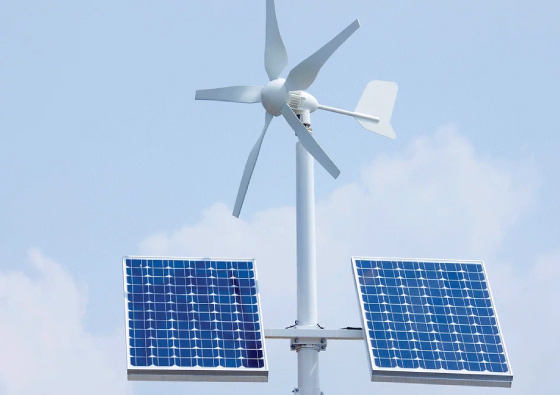
A Hybrid Solar System In Pakistan can help you reduce your dependence on fossil fuels, lower your electricity bills, increase your energy security and contribute to environmental sustainability. However, before you decide to invest in a hybrid solar system, you need to know how it works, what are its components, how much it costs and what are its advantages and disadvantages.
A hybrid solar system consists of four main components:
The solar panels get sunlight and change it into direct current (DC) energy. The hybrid inverters then change the DC energy into alternating current (AC) power that can be used by your utilizations or given back into the grid.
The batteries store excess electricity generated by the solar panels during the day for use at night or during cloudy weather.
The grid connection allows you to sell excess electricity to the utility company or buy electricity from them when your demand exceeds your supply.
A solar hybrid system can operate in different modes depending on your preferences and needs. You can choose to use only solar power installed in Pakistan when it is available. Somehow you use only battery power when there is no sun or grid power available. But this is not enough, user can use both solar and battery power together when needed or use only grid power when there is no sun or battery power available.
The workings of a hybrid solar system vary on the size and capacity of the power system. However, some common mechanisms are:
These are hybrid solar system power devices that get sunlight and alter it into DC electricity. They are normally made of silicon cells in Pakistan that are connected together in modules. The number and size of solar plates depend on your energy requirements and roof space.
These are energy devices that change DC electricity into AC energy and can be used by your applications. They also regulate the flow of electricity between the solar panels, batteries and grid.
These are devices that stock additional electricity produced by the solar panels for later use. They can be lead-acid, lithium-ion or other types of batteries depending on their capacity, lifespan and cost.
This is an electrical device that connects your hybrid solar system to the utility company’s network. It allows you to sell excess electricity to them or buy electricity from them when needed. It also has safety features such as fuses and circuit breakers that protect your system from overloading or short-circuiting.
The cost of a hybrid solar system depends on several factors such as:
According to some estimates, a 3kW hybrid solar system can cost around 450000 PKR with complete installation charges while a 5kW hybrid solar system can cost around 680000 PKR with complete installation charges. These prices may vary from city to city depending on local market conditions.
Additionally, if you want to go for a hybrid on-grid system with a net metering facility which allows you to sell excess electricity back to the utility company, then you will have to pay extra charges for net metering equipment such as green meter, AC disconnect switch, AC/DC earthing, boring, copper conductor, surge arrestor etc. These charges may vary from 90000 PKR to 150000 PKR depending on local regulations and also the changing charges of Hybrid Solar System Prices in Pakistan.
If you want to install solar panels in Pakistan and want to contribute to making Pakistan greener and lowering its environmental threads, then don’t hesitate to contact greensolarpakistan.com We are your best partners and leaders of solar system installations in Pakistan.
Some benefits of installing a hybrid solar system are:

Green Solar Pakistan is a leading solar energy company in Pakistan with over 10 years of experience in the industry. Our team of skilled professionals and engineers has delivered innovative solar solutions to our clients since our inception. We specialize in providing customized solar solutions for residential, commercial, and industrial sectors.


